Product & IP
A flexible specialty chemicals platform, supported by applied research and a portfolio of patent documents.
Formulations tailored to operating conditions#
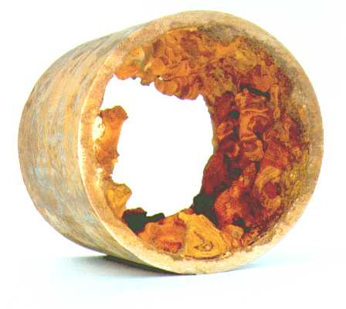
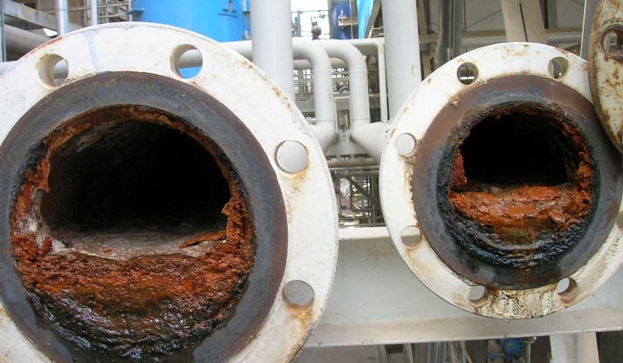
The product brief proposes advanced inhibitor formulations for high salinity, high-temperature formations and sulfur dioxide-containing conditions. A flexible production system would allow products to be optimized for specific requirements.
An in-house research and development laboratory would support continuing collaboration with operators, connecting product development with the needs of individual facilities.
01 / Potential product portfolio
One production platform. Seven markets.
The brief proposes a hot synthesis plant with a product range extending beyond oilfield chemicals. The categories below describe potential production capabilities.
Oil production companies
- This is seen as the strongest commercial product range.
- The production of water-soluble and oil-soluble products can be considered:
- corrosion inhibitors;
- H₂S inhibitors;
- oxygen scavengers;
- paraffin inhibitors/modifiers;
- depressant additives;
- oil demulsifiers;
- sediment dispersants;
- scale inhibitors;
- corrosion inhibitors for pipelines;
- drilling fluid additives;
- surfactants for oilfield formulations;
- components for acid well treatments;
- multifunctional chemical formulations.
Petrochemical plants
- The plant can produce basic monomers, additives and reagents:
- Monomers and oligomers: ethylene, propylene, butadiene, styrene (raw materials to produce plastics, rubbers and synthetic resins);
- Additives for fuels and oils: anti-knock, pour-point depressants (which lower the pour point), anti-wear and antioxidant additives;
- Solvents and extractants: technical alcohols, aromatic hydrocarbons (benzene, toluene, xylenes).
Hospitality & HoReCa
- The plant can produce ready-to-use concentrates for professional cleaning products.
- For laundries:
- concentrated liquid detergents;
- pre-stain removers;
- bleaching agents;
- fabric conditioners;
- grease removers;
- limescale removers.
- For cleaning:
- all-purpose professional cleaners;
- degreasers;
- glass cleaners;
- bathroom cleaners;
- acidic limescale removers;
- alkaline kitchen cleaners;
- rust removers;
- limescale removers.
- For swimming pools, spas and ventilation and air-conditioning systems:
- equipment cleaning formulations;
- anti-scale agents;
- water treatment products.
- From a chemical perspective, certain chemical intermediates can serve as the basis for both oilfield chemicals and detergents.
Household cleaning products
- The range here can be even wider:
- Cleaning products
- liquid washing-up liquid;
- all-purpose cleaning concentrates;
- kitchen cleaning products;
- bathroom cleaning products;
- floor cleaning products.
- Specialised products
- grease removers;
- scale inhibitors;
- rust removers;
- drain unblockers;
- limescale removers.
- Ingredients for household cleaning products
- Surfactants;
- emulsifiers;
- dispersants;
- foam suppressants;
- solvents;
- complexing agents.
Car washes
- The following can be produced:
- concentrates for touchless washing;
- active foam;
- car shampoos;
- degreasers;
- bitumen removers;
- road grime removers;
- wheel cleaners;
- metal contaminant removers;
- glass cleaners;
- engine cleaners;
- truck wash products;
- formulations for professional car wash facilities;
- car wash effluent treatment products (coagulants, flocculants, defoamers).
- It is particularly interesting when a single chemical base is used in several products. This allows the product range to be expanded without having to build a separate plant for each market.
Metallurgical plants
- Here, potential profit margins may be significantly higher than in the household chemicals sector:
- Metal protection
- acid corrosion inhibitors;
- steel corrosion inhibitors;
- etching inhibitors;
- post-etching protective formulations;
- formulations for temporary metal protection.
- Cleaning
- industrial degreasers;
- oil removal compounds;
- scale removers;
- rust removal compounds;
- chemical equipment cleaners.
- Manufacturing processes
- surface treatment additives;
- chemical components for etching baths;
- inhibitors for acid solutions;
- special surfactants and wetting agents;
- flotation reagents: xanthates, dithiophosphates and frothing agents used in the beneficiation of non-ferrous and ferrous metal ores;
- Coolant-lubricants (CLS): synthetic and semi-synthetic emulsions for the machining of metals (turning, milling, rolling).
- Binding resins: phenol-formaldehyde and furan resins for the manufacture of casting moulds and cores.
- This area is particularly interesting because corrosion inhibitors constitute a universal technological platform: they are required not only in the oil and gas industry, but also wherever metal comes into contact with corrosive environments. Recent research also demonstrates the use of synthetic inhibitors to protect steel in acidic environments.
Water treatment
- Potential products:
- chemicals for industrial desalination systems;
- corrosion inhibitors;
- scale inhibitors;
- dispersants;
- chemicals for industrial cooling systems;
- chemical reagents for boilers;
- chemical reagents for heat exchangers;
- cleaning agents for membranes and equipment;
- reagents for industrial water treatment systems.
- corrosion inhibitors, scale inhibitors, and reagents for controlling the chemical composition of geothermal fluid.
02 / Intellectual property
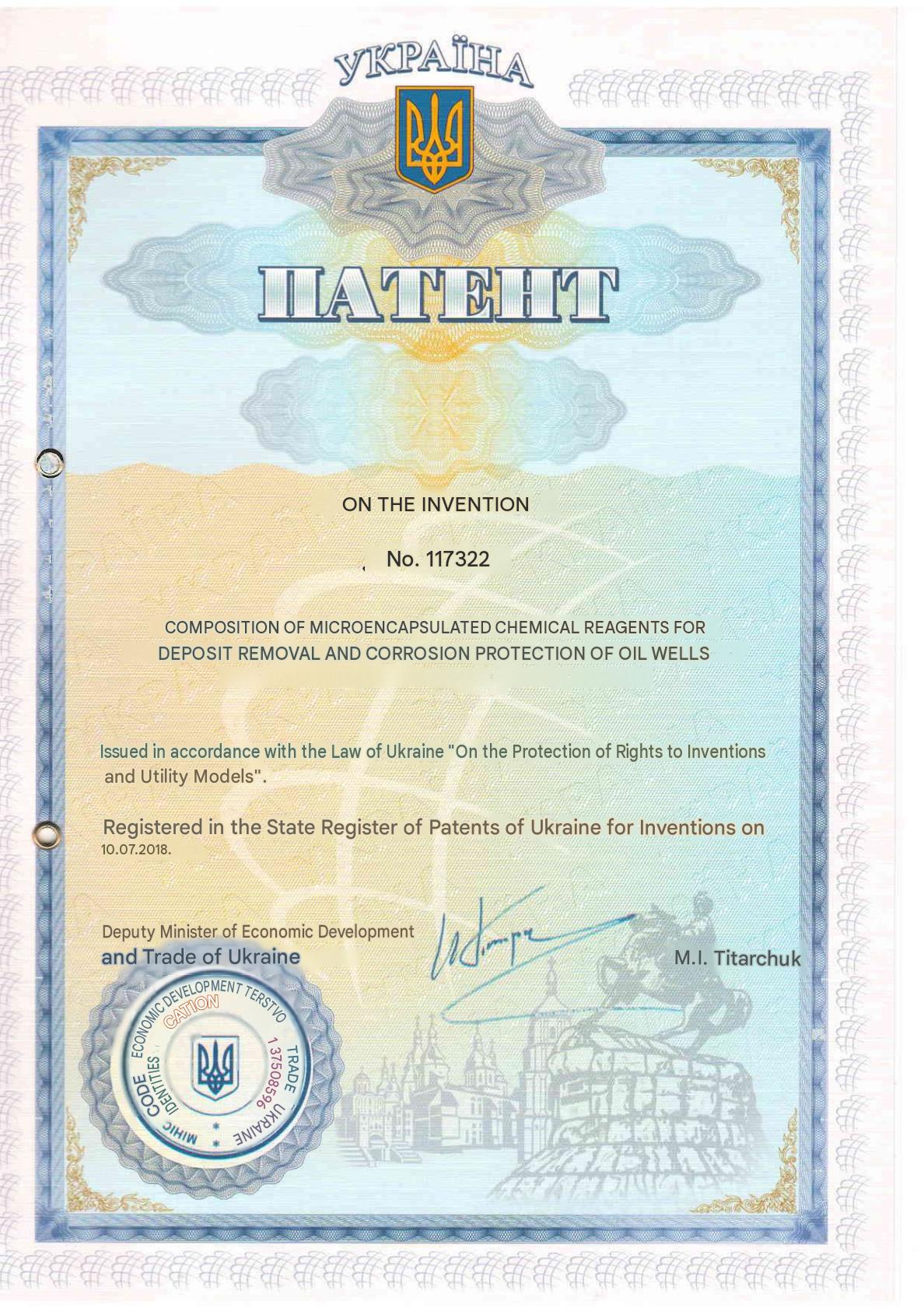
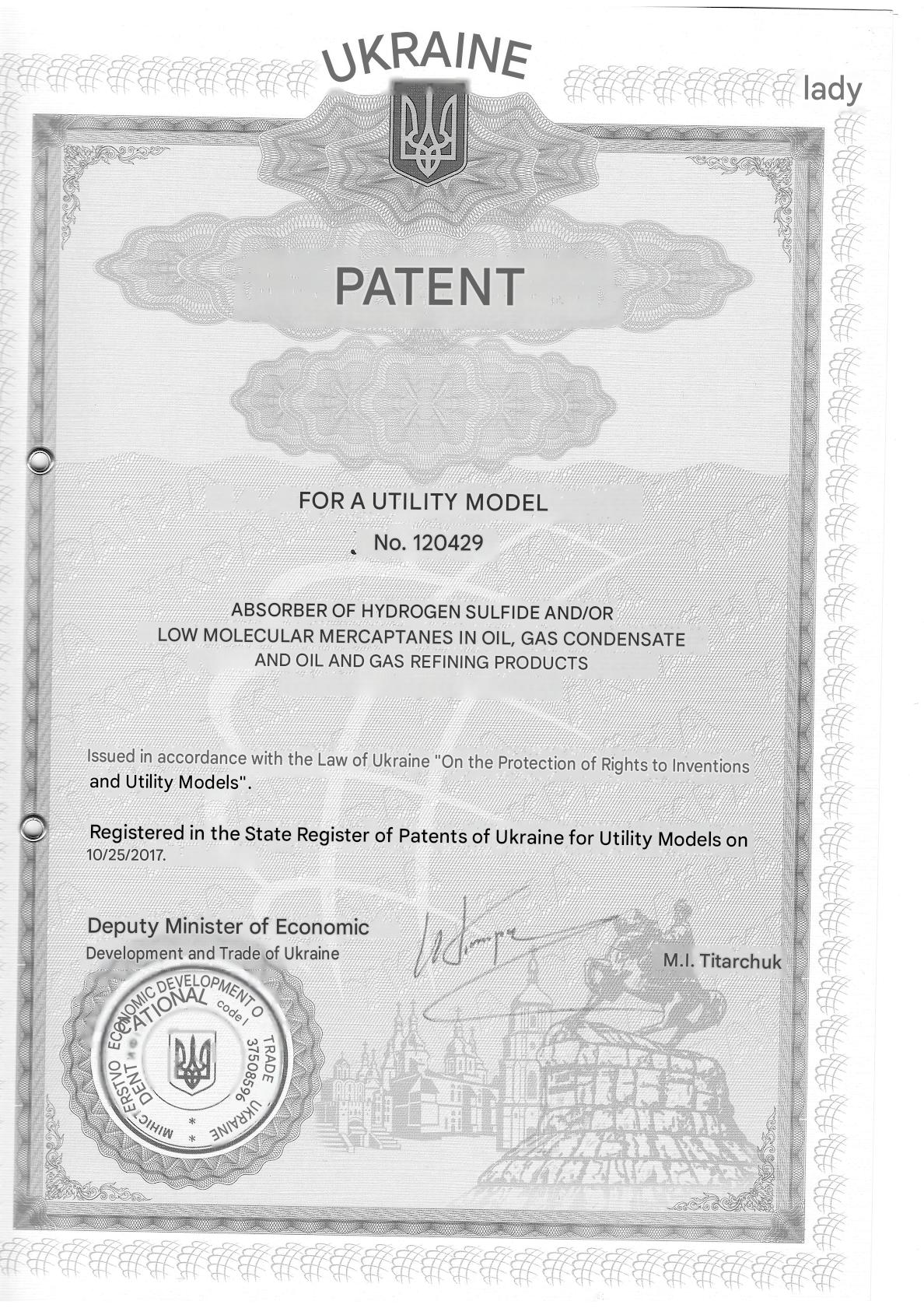
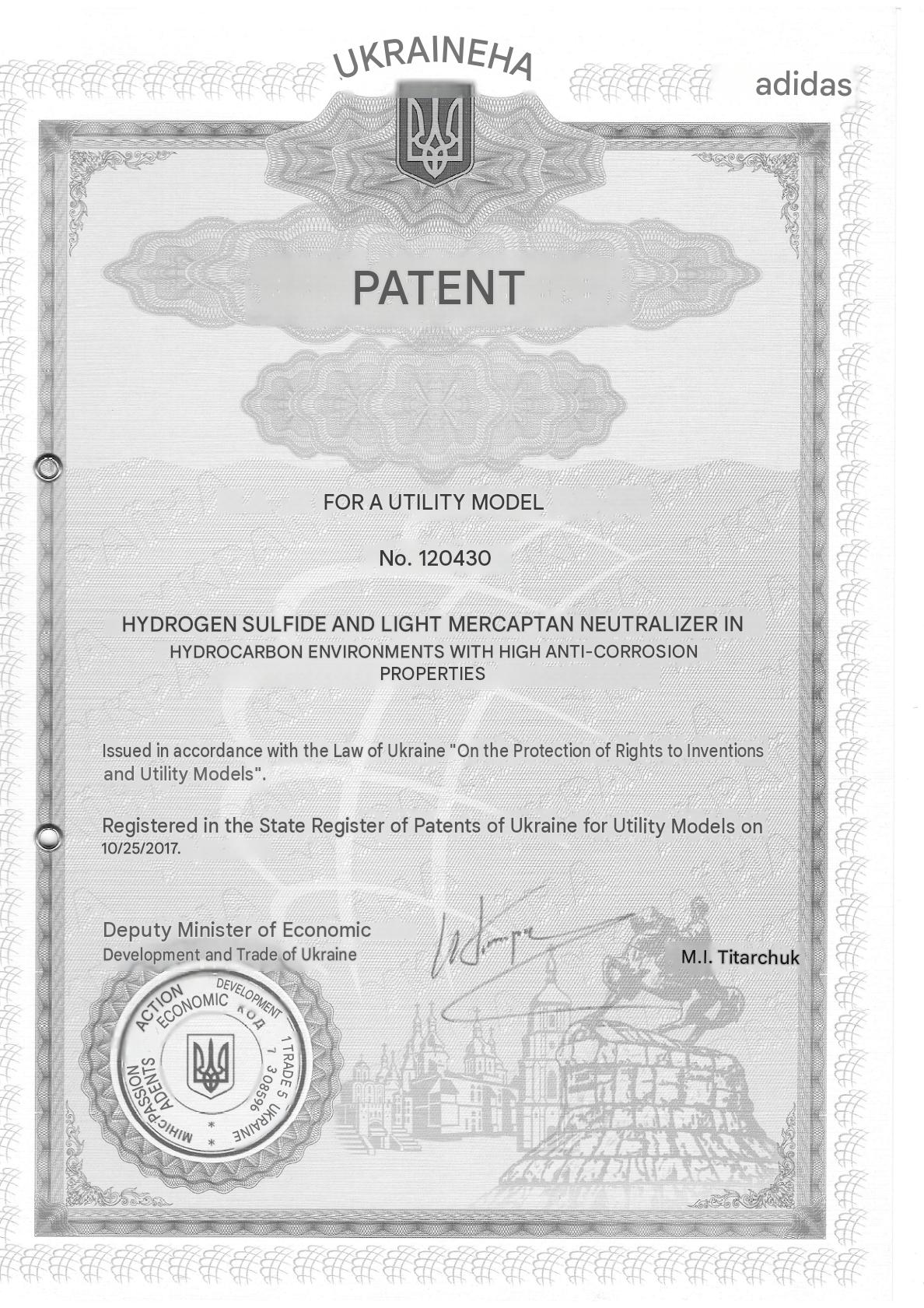
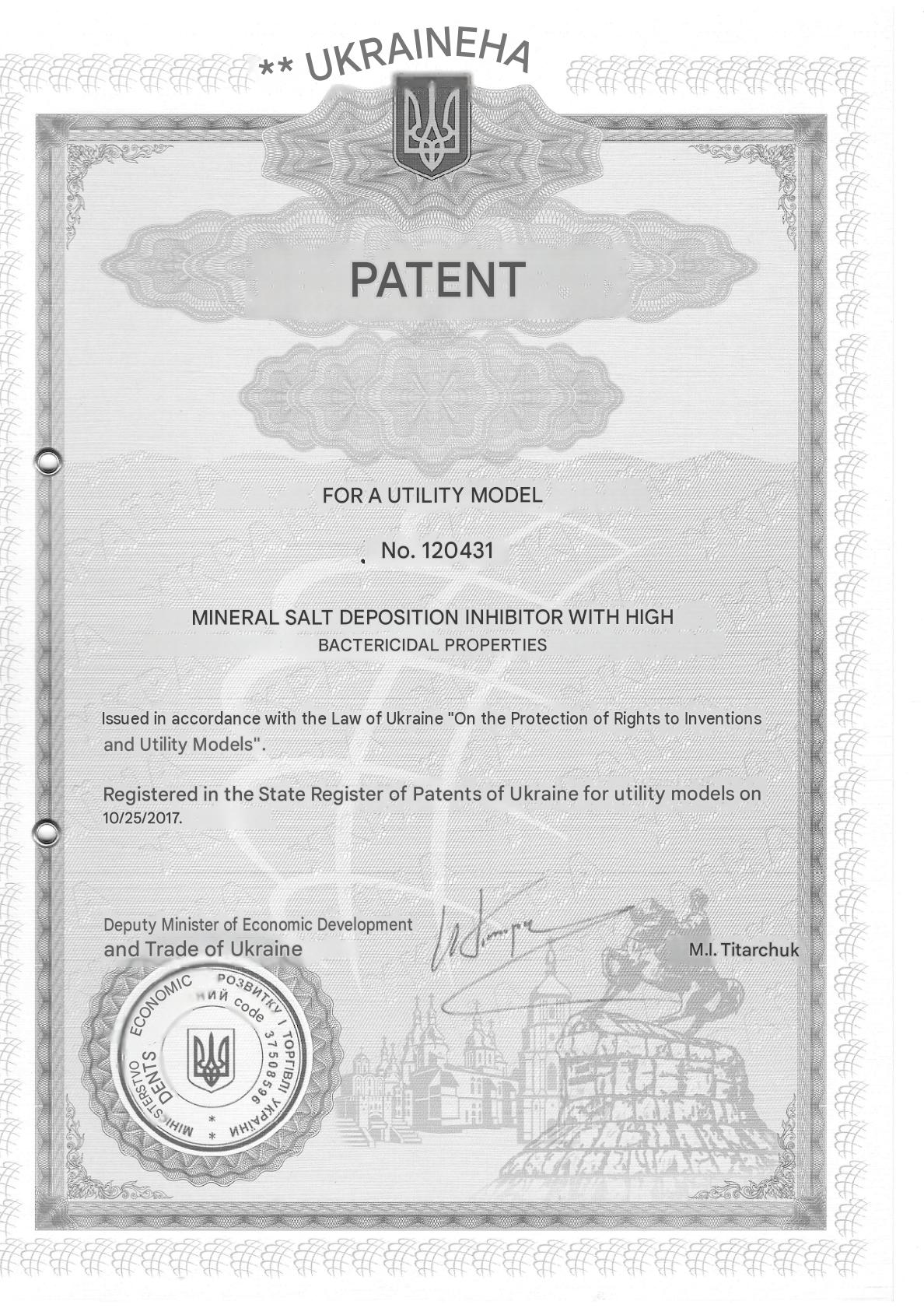
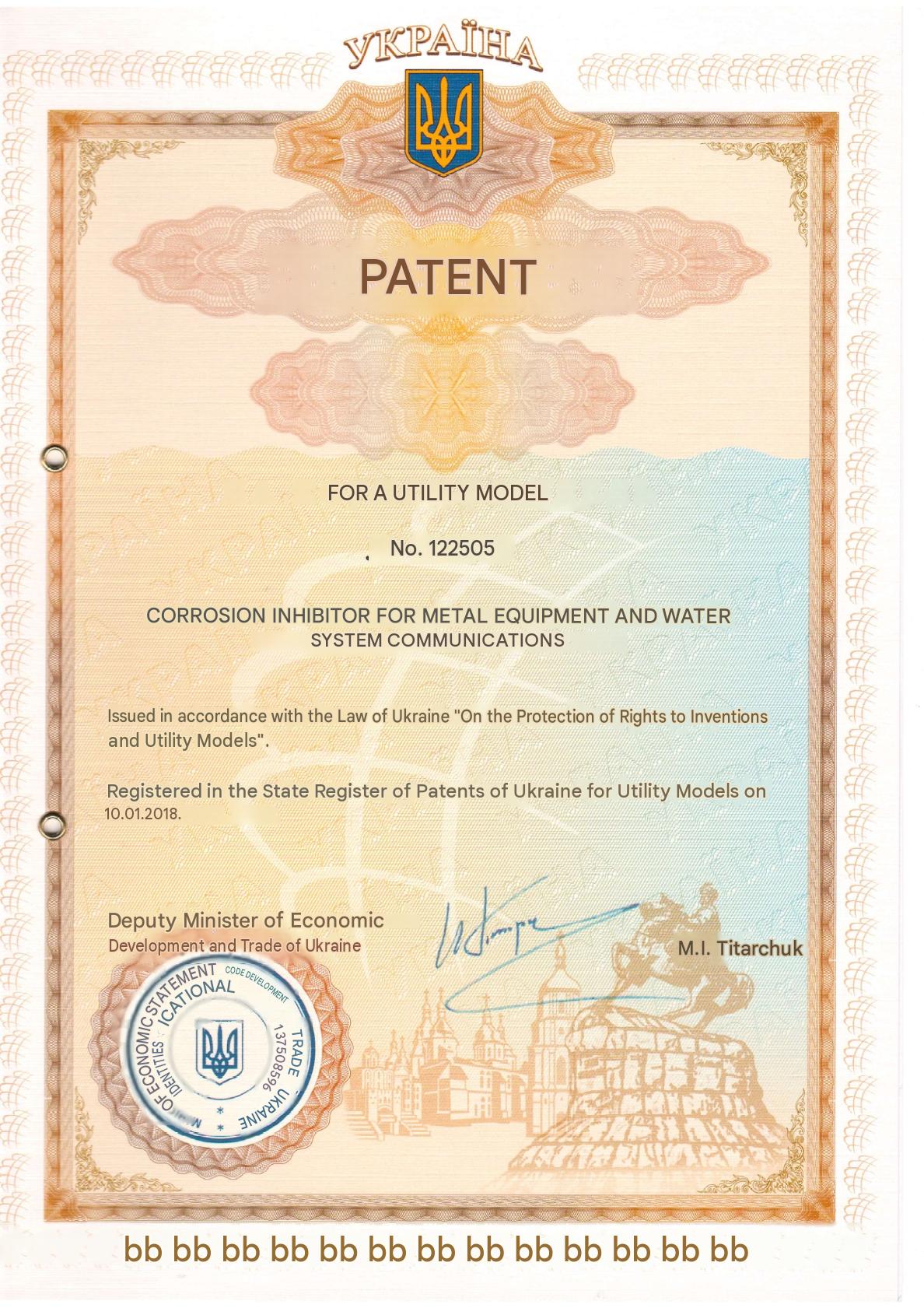
Patent documents supplied with the project
The project brief describes the products as protected by the team’s own patents. Explore the nine supplied document scans below; select a document to read the full-size image.




03 / Technical background
Research and application experience
The supplied digest brings together articles attributed to Himipex Oil Company on inhibitor chemistry, corrosion mechanisms and field applications.
Oil processing: corrosion and deposits
The digest discusses film-forming, multifunctional inhibitors for protecting oil processing equipment and limiting the adhesion and accumulation of deposits.
Hydrogen sulfide corrosion
The articles explore inhibitor chemistry and emphasize selecting formulations for the corrosive environment and operating conditions of each facility.
Carbon dioxide corrosion
The digest reviews inhibitor systems, surface adsorption and the effects of fluid composition, deposits and delivery medium on protective performance.
Reported field experience
A Himipex Oil article reports a reduction in corrosion rates from 0.44–0.56 to 0.027–0.034 mm/year at a European oilfield using DEFENDER at 10–20 ppm. A separate offshore example reports a 90.1% reduction. These are results described in the supplied digest, rather than performance guarantees.
Internal corrosion mechanisms
The background material covers chemical and electrochemical corrosion, localized damage, intergranular corrosion and the factors affecting metal degradation in pipelines.
Geothermal applications
The digest describes DEFENDER-series reagents for corrosion and scale control in geothermal wells, equipment, pipelines and heat exchangers, alongside facility-specific research and technical support.
View supporting illustrations